Read what the developers have to say.
June 22, 2026
Jan Ferdinand Sauer
Triton VM v7.0.0 fixes soundness gaps in AIR constraints. Additionally, tasm-lib v7.0.0 includes a fix concerning recursive proof verification.
March 31, 2026
Thorkil Schmidiger
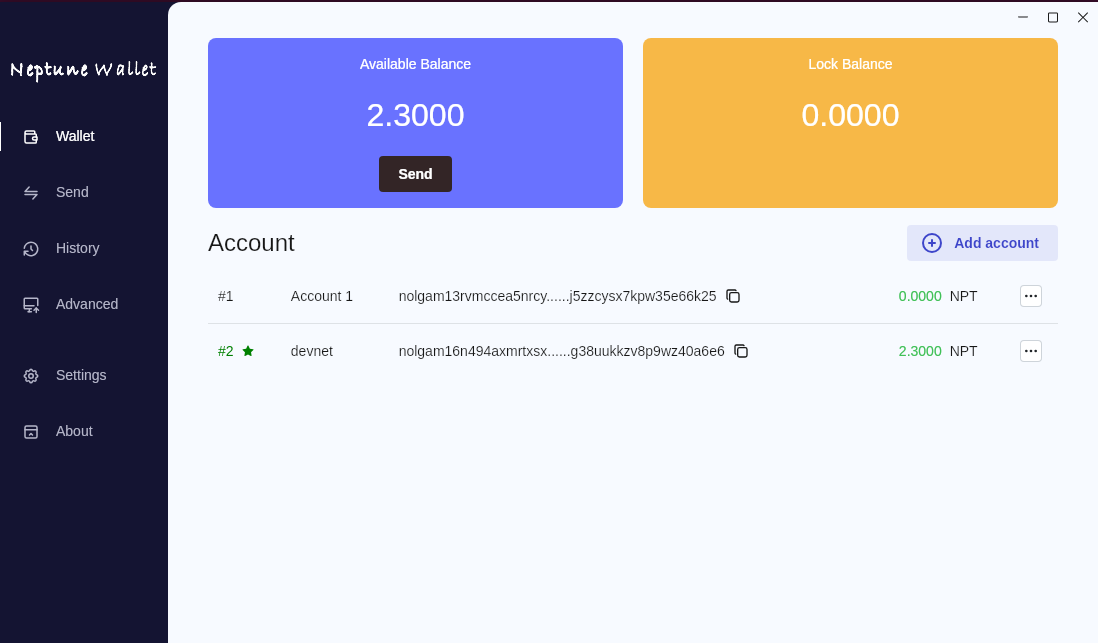
A security-patched, officially supported version of the NeptuneWallet has been released for users who prefer not to run a full node.
February 3, 2026
Neptune Cash Developers
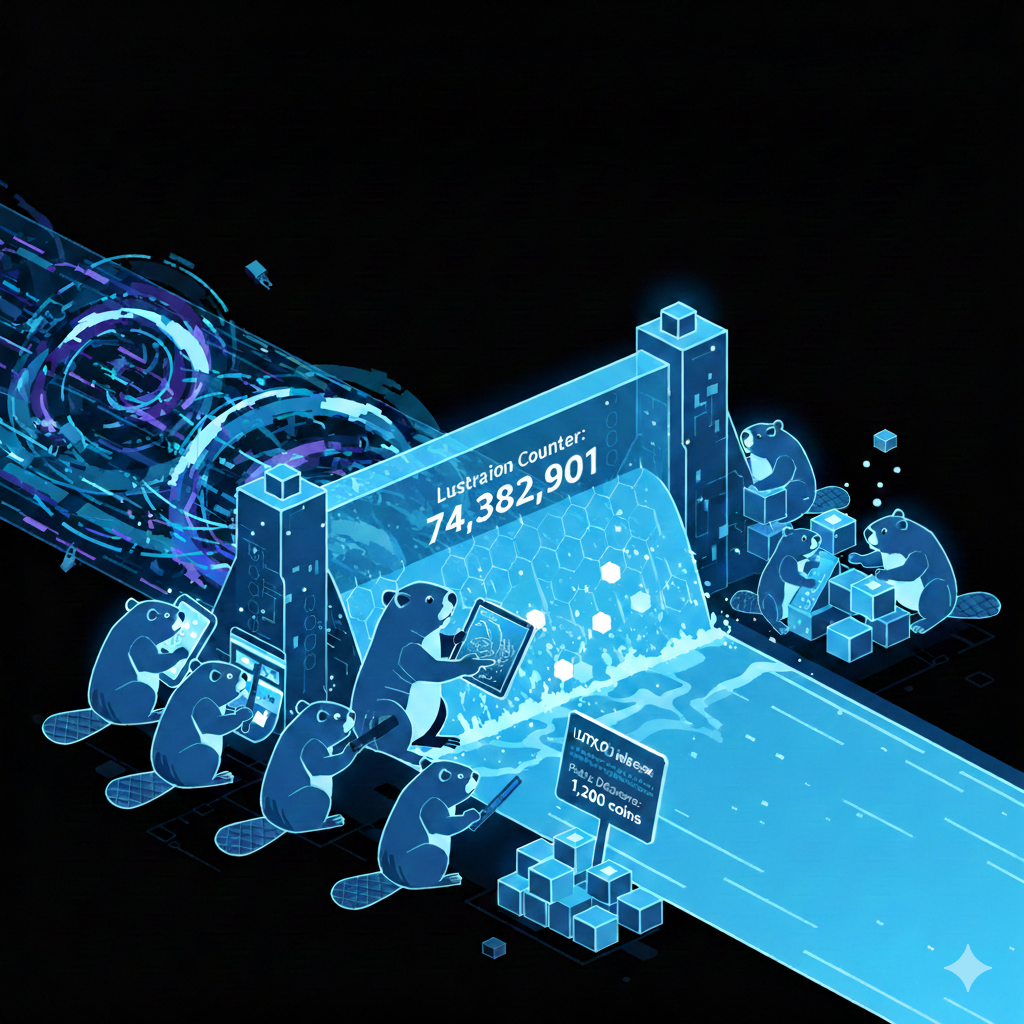
Network relaunch following Triton VM patch and the introduction of the Lustration Barrier.

January 21, 2026
Neptune Cash Developers
Disclosure of a vulnerability in Triton-VM.
August 14, 2025
Neptune Cash Developers
Description and motivation for Neptune Cash's memory-hard proof-of-work puzzle.

July 5, 2025
Alan Szepieniec and Thorkil Schmidiger
Announcement of the inflation bug discovery and future plans.

March 17, 2025
Thorkil Schmidiger
We propose a hard fork to increase transaction throughput. From a size limit of 2 MB per block to one of 8 MB per block. The hard fork is planned for block height 6.000, around 6pm UTC on Saturday March 22, 2025.

October 14, 2024
Alan Szepieniec
Scope of features present at launch, and a roadmap for features to be hard-forked in later.

July 21, 2024
Alan Szepieniec
A summary of the steps involved in obtaining mining rewards.
December 14, 2023
Alan Szepieniec
How Neptune Fixes Ethereum's Frontrunning Problem

September 26, 2023
Alan Szepieniec
On the Valuation of Cryptocurrencies

August 10, 2023
Alan Szepieniec
Mutator sets are a new cryptographic authenticated data structure facilitating scalable privacy.

August 8, 2023
Thorkil Værge
Neptune seeks to deliver scalable private money to the world with an as fair a launch as possible. We need help from developers to make it stand on its own legs.

July 25, 2023
Thorkil Værge
Privacy not only benefits the individual user or company. Privacy is crucial to a fundamental property of money: fungibility
July 12, 2023
Thorkil Værge
To fully understand why some people have a near-religious appreciation of and fascination with Bitcoin, one has to first appreciate the problem that it solves. Describing that problem as one of computer science or one of economics does not do it full justice. A better description is one of emancipation.
July 10, 2023
Alan Szepieniec
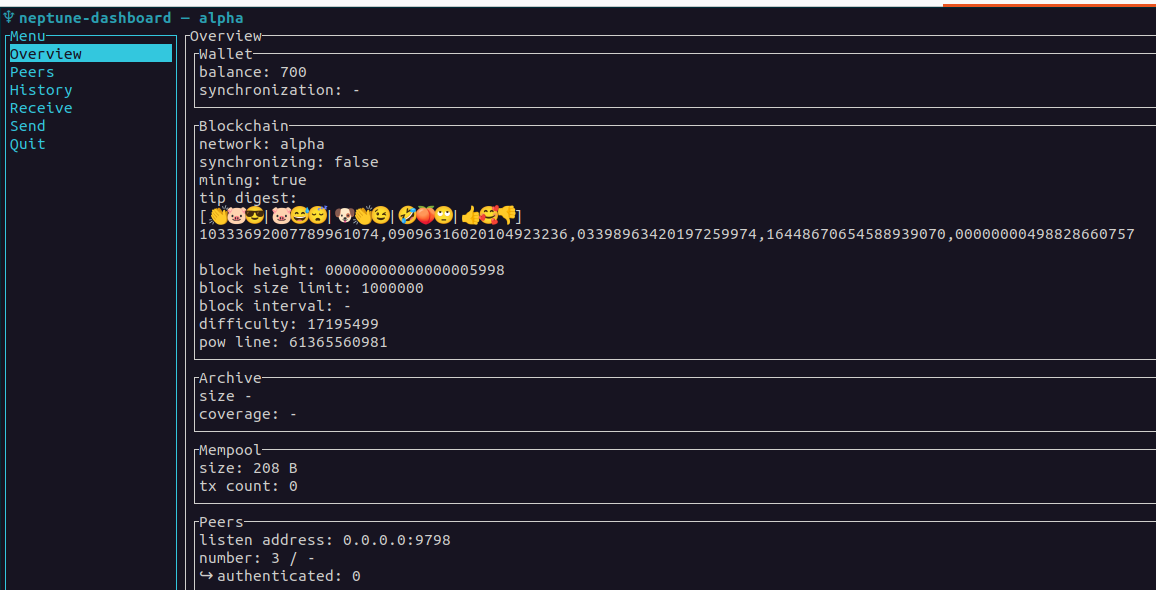
We have open-sourced the client for Neptune. While certainly an important milestone, alphanet is still very far from the final product. Please contribute! Blockchain-based money needs to be an effort driven by a grassroots community.

February 16, 2023
Alan Szepieniec
Why quantum insecurity cannot be fixed with protocol upgrades—cryptocurrencies must have post-quantum security from the start to prevent future attacks.

August 11, 2022
Alan Szepieniec
Existing privacycoins do not scale. Neptune does. This note explains why.
August 3, 2022
Jan Ferdinand Sauer
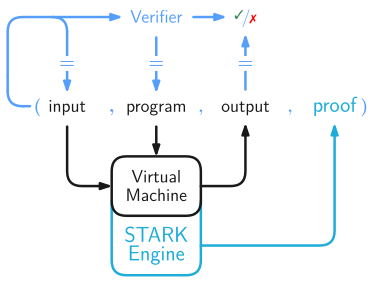
Triton is a Turing-complete virtual machine with fast recursive zk-STARK verification as its primary design goal. Having access to fast, recursive verification of computational integrity changes how to think about computation in networked environments.
July 1, 2022
Alan Szepieniec
How Neptune achieves post-quantum security by relying solely on secure hash functions, avoiding vulnerabilities to Shor's algorithm that affect other blockchains.
June 26, 2022
Alan Szepieniec
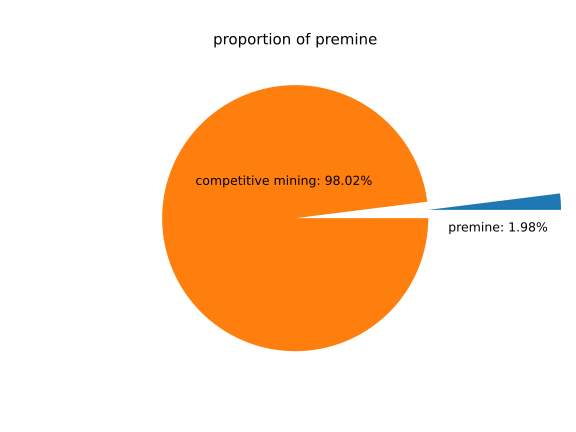
The token economics of Neptune are similar to those of Bitcoin, but there are some important differences.

June 2, 2022
Alan Szepieniec
How Neptune enables paper wallets for cold storage by using public scripts to notify receivers, balancing non-interactivity with privacy tradeoffs.

May 27, 2022
Alan Szepieniec
Neptune uses two UTXO types—lockable for privacy and lock-free for public smart contracts—to balance scalability with the data availability problem.

May 20, 2022
Alan Szepieniec
Proof-of-stake consensus is inherently subjective—the correct blockchain view depends on whom you ask, making it unsuitable as a foundation for global digital currency.
May 13, 2022
Thorkil Værge
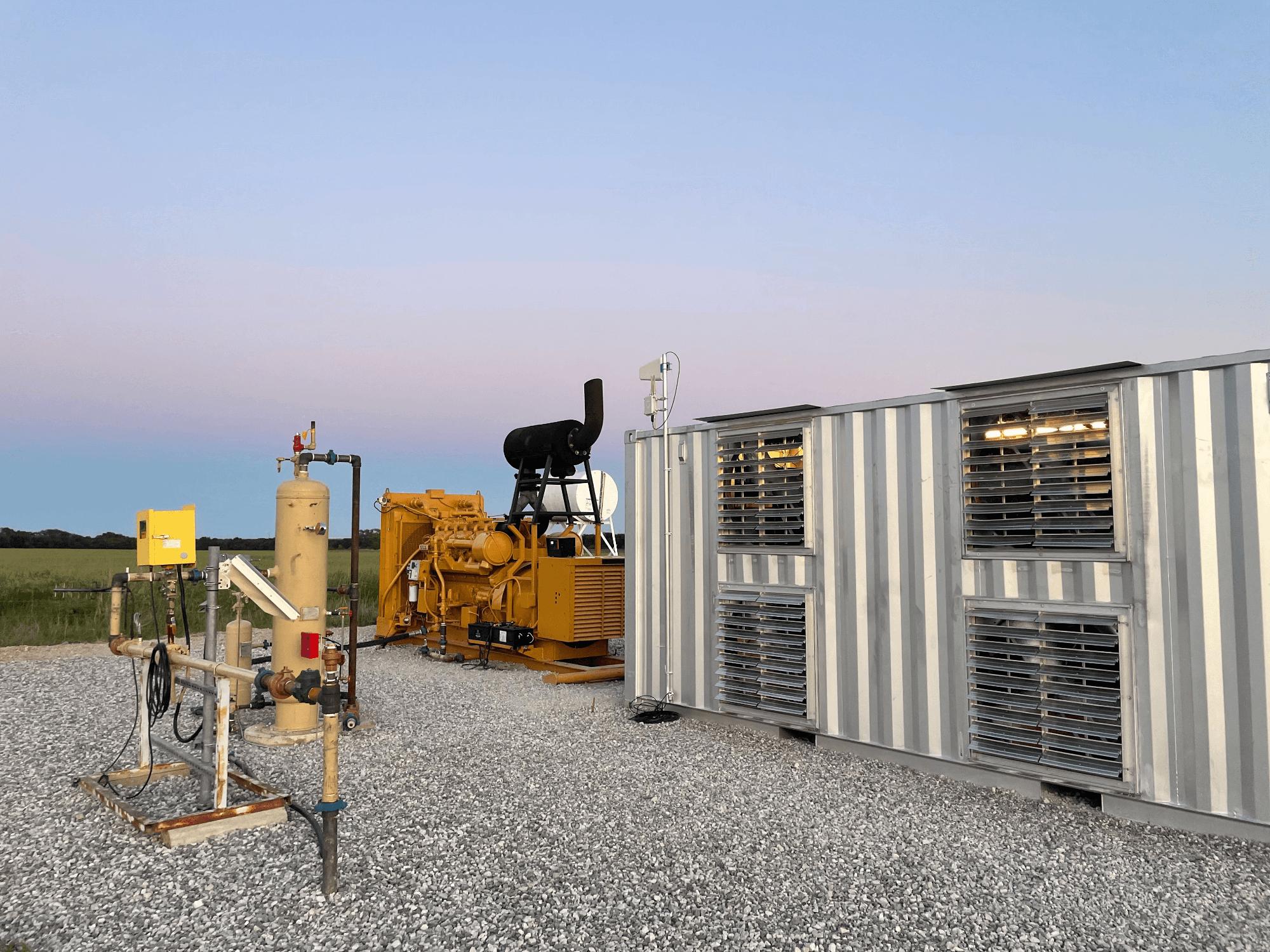
There is a widespread belief that proof-of-work mining is a relic of the past. But if miners always use the cheapest available form of energy, maybe that would be good for both the environment and the power grid?